
Room function, scale and material mix
Start with the room, viewing distance and adjacent materials. A coordinated homeware range should share a finish direction without making every item identical.
Browse real product directions across tabletop, wall and garden decor. Open a category to review its products, or send an enquiry for a coordinated wholesale range.
 Decorative OrnamentsView products →
 Decorative VasesView products →
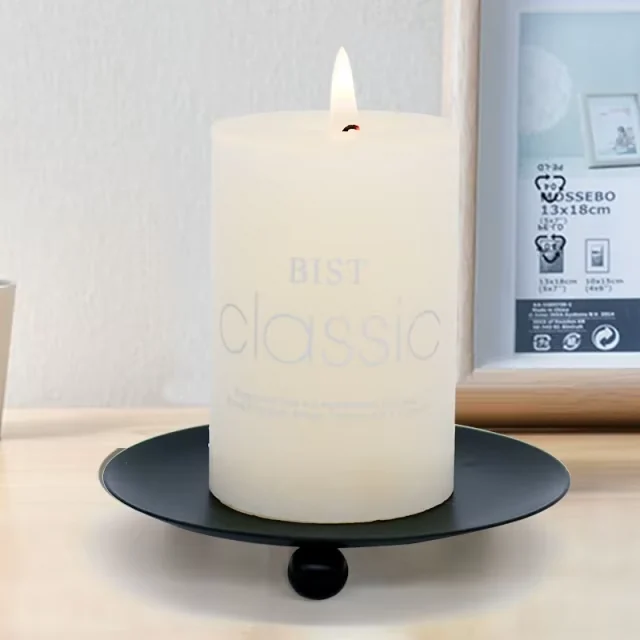 Candle HoldersView products →
 Decorative LightsView products →
 Wall Art & FramesView products →
 Artificial PlantsView products →
Start with the room, viewing distance and adjacent materials. A coordinated homeware range should share a finish direction without making every item identical.
Use the selected sample to document finish consistency across ceramic, metal, glass and resin. Approve representative colour and surface references by material. One tolerance cannot be applied to glaze variation, plated metal, painted resin and handmade glass in the same way. Photograph or sign the accepted version and record any permitted variation.
Separate hard surfaces, protect projecting shapes and define inner packs by SKU before mixed cartons are planned.
A total project quantity can hide small colour, size or packaging batches. Break the request down by version and identify the selected construction, finish and room function, scale and material mix so the real production constraint is visible.
Create one line per requested version with its product reference, dimensions, material, finish, quantity, pack and delivery destination. Add how finish consistency across ceramic, metal, glass and resin will be approved; this makes price and lead-time comparisons meaningful.
Review size, material or colour direction, surface treatment, logo and packaging against the intended use. A practical option must preserve the agreed standard for finish consistency across ceramic, metal, glass and resin and suit the order quantity.
The inspection should compare production units with the approved reference for finish consistency across ceramic, metal, glass and resin, then verify assortment, labels, inner protection and fragile and scratch-sensitive mixed materials.
Plan backward from the required arrival date and allow time for product selection, sample approval, pack confirmation and production. The route for room function, scale and material mix should be decided before a firm schedule is accepted.
Send the target market, selected categories, quantity range and packaging requirements.