
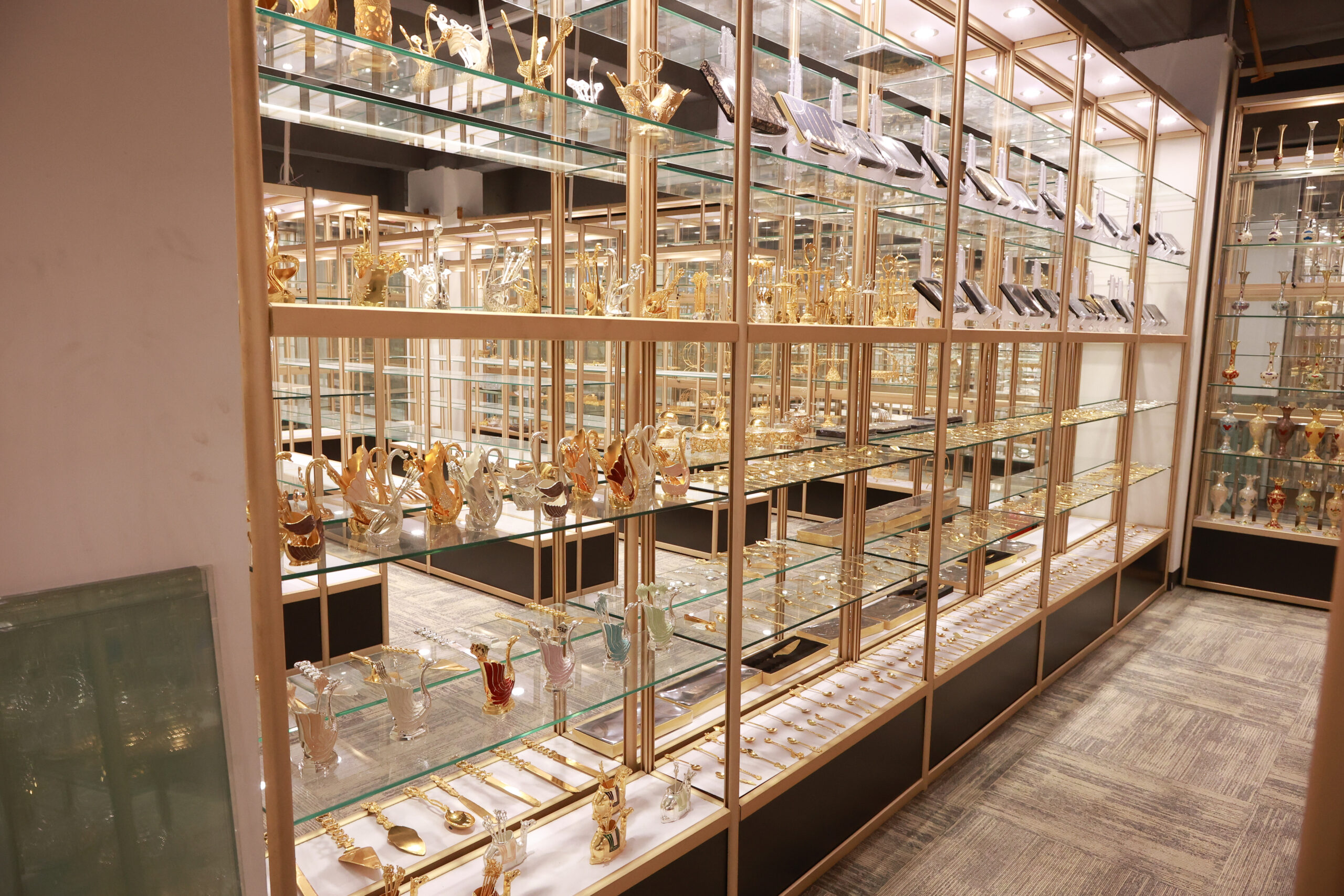
Intended use, dimensions and material direction
Start with the intended use, target channel and required dimensions before selecting a product direction.
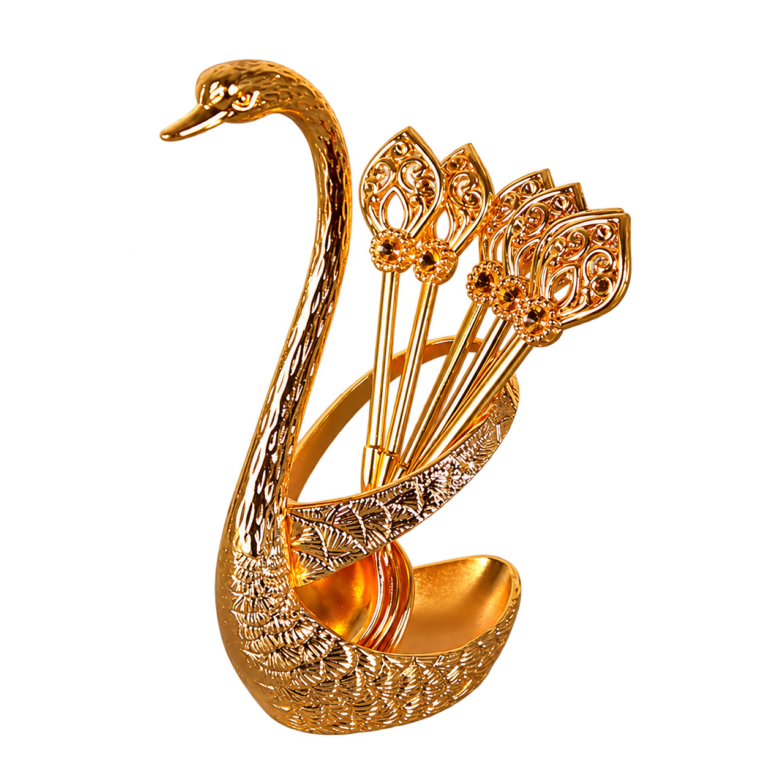
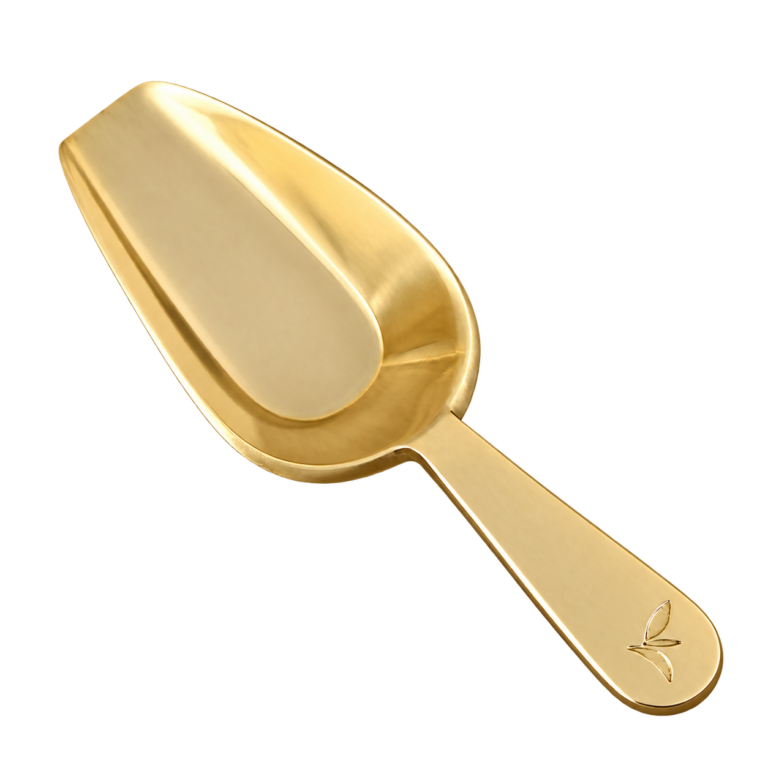
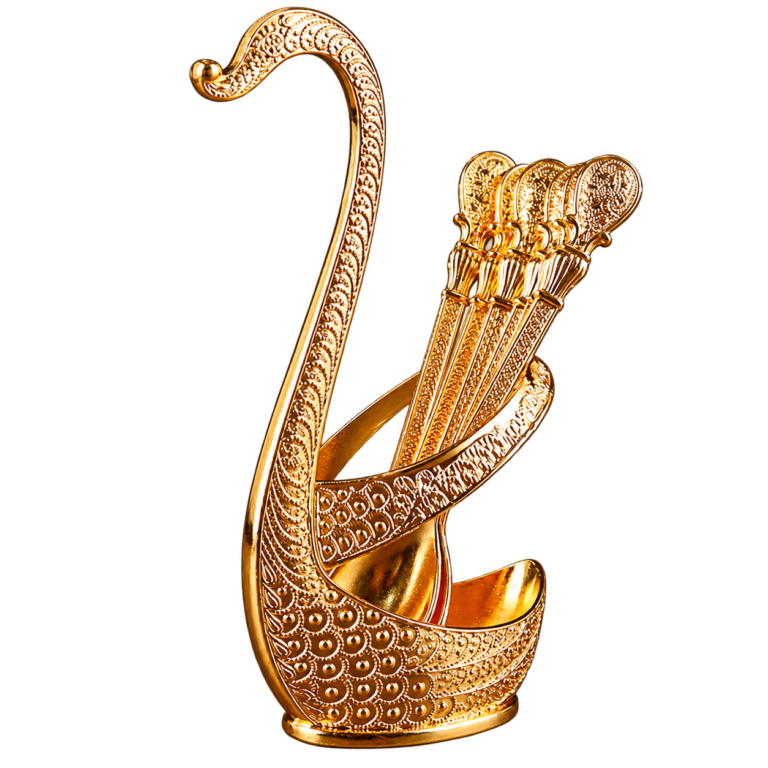


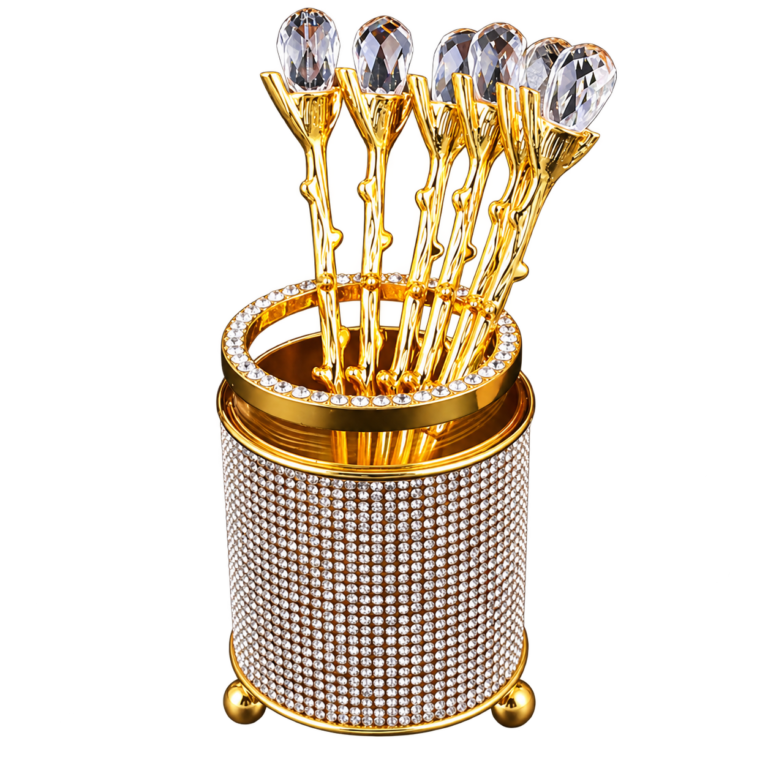
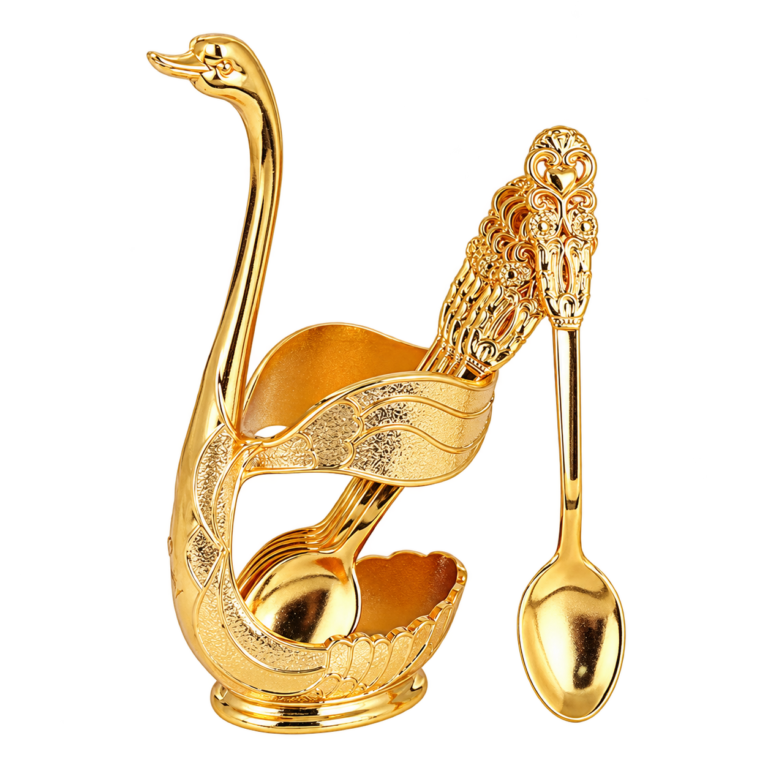
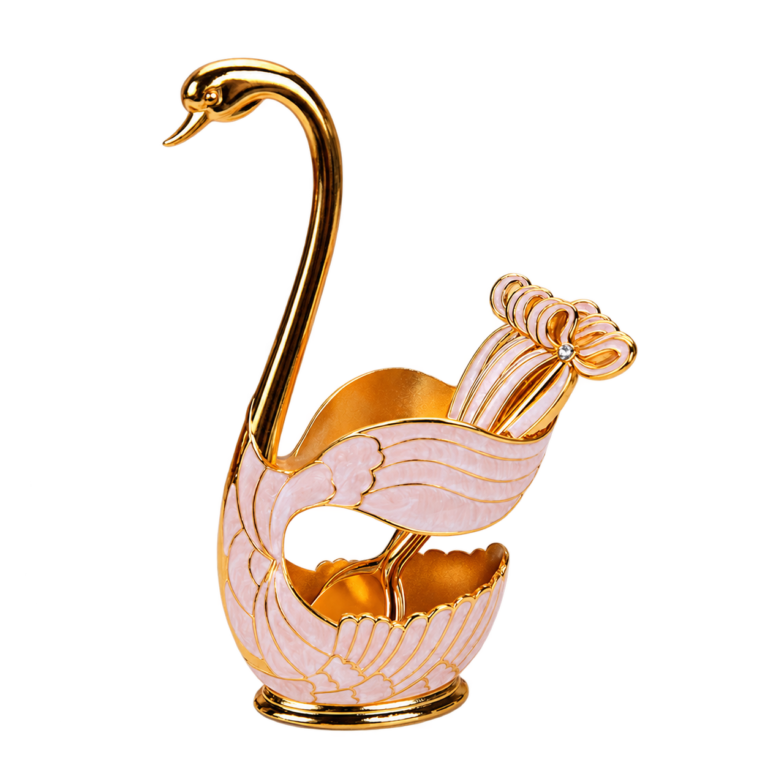
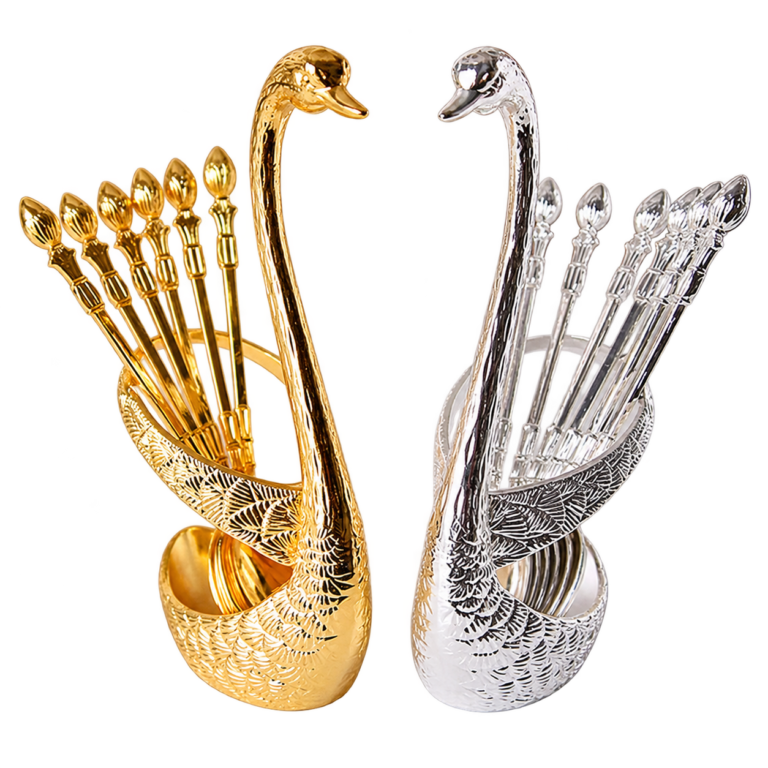

Confirm the exact product use, size, material and sales channel before comparing options.
Approve the measurable and visible details that can change during production. Put dimensions, appearance tolerances, included components and the agreed packing reference on the approval record so later production units can be checked against it.
Test the selected product inside the complete packing system before bulk shipment.
Two options may use different forming, finishing or packaging routes. State the quantity for every size, colour and pack, then review how product specification and intended use affects the process with the highest minimum run.
Send the buyer channel, destination, reference product, required size and finish, version-level quantities, branding, retail pack and deadline. Attach the acceptance points for dimensions, finish and functional details so suppliers quote the same scope.
Potential changes include size, colour, visible finish, branding and retail presentation. Feasibility is reviewed after product specification and intended use is clear and the approval method for dimensions, finish and functional details has been agreed.
Use the signed sample and written specification to check dimensions, finish and functional details. The release check should also confirm the SKU count and protection required for the final retail and export pack.
Timing depends on the selected construction, finish, quantity by version, sample revisions and final pack. Decisions involving product specification and intended use should be closed before the production date is committed.
LANBORUI will confirm available products, customization feasibility and the quotation route.