

Buyers asking where to buy candle jars wholesale need more than an empty container. The vessel must support a defined wax, fragrance, wick, fill, lid, label and distribution pack, then return in the same controlled version. A low jar price is irrelevant if filling, labeling, evidence or cartons fail the finished product.
This guide helps candle brands, importers, retailers and private-label teams compare supplier routes, translate an “8 oz jar” request into measurable fields, structure MOQ, allocate market information, validate the completed candle and release a repeatable pilot. It does not prescribe a universal wick or burn-test schedule or replace destination-market legal review.
The image exposes decisions a marketplace thumbnail hides: clear opening, inner wall, base, wick position and production fill. Start by naming the finished product and responsibility scope, then work backward to the vessel and supplier route.
1. Choose the supplier route by the product you need to control
Separate stock distribution, vessel manufacturing and finished-candle supply
A stock packaging distributor, vessel factory and finished-candle manufacturer can all appear in search results for wholesale candle jars, but they sell different control. A distributor may hold finished stock, allow small trial quantities and ship samples quickly. Its limitations may include a fixed drawing, uncertain continuity between production lots, restricted decoration and less direct access to manufacturing records. A vessel manufacturer can control forming, material route, color, secondary decoration and production packing more closely, but custom work normally creates process-specific minimums and longer sampling. A finished-candle partner adds wax preparation, fragrance, wick, filling, curing, labeling, burn testing and finished-product packing, while the jar may still come from another factory.
The decision is not which company type sounds most professional. It is which party owns each field that can change the received candle. Ask who controls the vessel drawing, who holds manufacturing and test records, who approves decoration, who selects the wick, who verifies net fill, who releases artwork, who conducts the finished-candle test plan and who packs the export order. When those owners are split, name the handoff and document revision. The action output is a one-page responsibility matrix attached to the RFQ. Stop if every supplier assumes another party owns the completed candle, because an unowned decision will usually surface after samples or after the purchase order.
| Route | Useful when | Verify before selection | Required output |
|---|---|---|---|
| Stock distributor | Fast trials, standard vessels, low opening quantity | Lot continuity, drawing access, stock horizon, actual manufacturer evidence | Stock identity and reorder continuity statement |
| Vessel manufacturer | Controlled construction, color or decoration | Process minimums, sample route, record holder, packing scope | Controlled drawing and vessel evidence packet |
| Finished-candle partner | One owner for formula, fill, test, label and pack | Source of vessel, change control, test ownership, subcontracted processes | Finished-product responsibility and release plan |
Write one connected brief for vessel, candle and distribution pack
A useful opening brief names the destination market, buyer channel, retail position, launch date and quantity range before describing the jar. It then connects vessel material and maximum dimensions with clear opening, internal profile, target wax system, fragrance direction, wick-development status, intended fill, fill line, lid, visible decoration, front label, base information, unit box, gift-set role and logistics route. If an element is undecided, mark it as a development question and assign an owner. Do not allow a supplier to convert missing information into an assumed final specification.
For example, “amber 8 oz jar with lid” does not reveal whether 8 oz is a vendor model, nominal capacity or desired net weight. A better brief is: “Straight-sided amber glass vessel for a single-wick scented candle; target net fill to be confirmed from the approved wax-density and burn program; one shared black lid; pressure-sensitive front label and base safety label; individual folding carton for North American specialty retail; five fragrances sharing the vessel and transport carton.” This version lets a supplier state what it can control and what needs development. The output is a connected brief with one revision code. Use it for supplier comparison, sample labels, test records, carton trials and the eventual purchase order so those files cannot quietly describe different products.

Use Figure 2 as the sourcing-file header. Add an owner, status and revision to every layer so provisional work cannot enter artwork or production unnoticed.
Set evidence, test and market boundaries before accepting claims
Boundary 1: vessel evidence is not finished-candle approval. ASTM F2179-26 covers minimum performance requirements and test methods for annealed transparent or nontransparent soda-lime-silicate glass containers produced for use as filled candle containers. Its scope identifies the glass manufacturer or secondary processor as responsible for product compliance and manufacturing records. It does not approve a buyer’s wax, fragrance, wick, fill or decoration combination. Boundary 2: controlled fire-safety testing is not a promise about every use condition. ASTM F2417-26 concerns minimum fire-safety requirements under defined conditions; the buyer still needs a test plan for the exact finished candle and foreseeable changes.
Boundary 3: market compliance belongs to the marketed product and responsible operator. Net contents, safety information, chemical classification, traceability and claims depend on the final candle and destination. Ask any supplier claiming “ASTM compliant,” “EU compliant,” “heat resistant” or “food safe” to name the standard, report holder, tested construction, edition, result and limitations. Do not accept a generic certificate that cannot be matched to the supplied SKU. The output is a claim ledger with columns for claim, applicable product, source evidence, report owner, market, limitation and approval status. Claims without an identifiable evidence route are removed from the specification and artwork rather than repeated as sales language.
2. Build a commercial assortment without multiplying uncontrolled versions
Assign core, premium, travel and gift-set roles before choosing shapes
A candle-jar range should begin with commercial jobs. A core tumbler supports the highest-volume fragrances, shared labels, predictable filling and replenishment. A premium vessel may justify heavier glass, ceramic, a distinctive coating or a presentation lid because its price tier and merchandising role can absorb additional control. A travel format prioritizes compact footprint, lid retention and parcel efficiency. A gift-set vessel must work as part of an insert, box and coordinated scale rather than as an attractive object on its own. These roles make supplier selection and inventory decisions measurable.
For each proposed vessel, write the channel, price tier, fragrance count, expected annual volume, repeat-order cadence, lid, unit pack and reason it cannot share the core construction. If two vessels carry the same fill, customer and shelf position but require separate coating batches and boxes, one should be removed unless it creates a defensible difference. The action output is a range architecture sheet linking every vessel to one role and one volume assumption. Avoid beginning with a supplier catalog and assigning roles afterward; that method tends to preserve visually interesting but commercially redundant shapes. The goal is not the fewest jars. It is the fewest uncontrolled component families needed to express the intended range.

Count vessel, fragrance, lid, artwork and pack as a SKU tree
The visible fragrance count is not the production-version count. Multiply vessel identity by wax or formula revision, fragrance, wick revision, fill, decoration, lid, label language, gift-set composition and retail pack. Some variables create a sellable SKU; others create an internal manufacturing version that still needs a distinct approval record. A change from clear to spray-coated glass may retain the same fragrance name but alter label adhesion, scratch protection and production minimum. A second market language may retain the vessel but create new artwork and carton allocation.
Draw a component tree with shared items at the top and late-stage variables at the bottom. A stock clear tumbler, one lid and one transport carton can serve five fragrance labels with relatively little locked packaging. Five vessel colors, five directly printed graphics and five fragrance-specific boxes lock more inventory before demand is known. The output is a version register that assigns a code to vessel, decoration, formula, wick, label and pack, then maps those codes to each sellable SKU. That register should appear in the RFQ and sample log. It also prevents a photograph labeled “approved” from being reused for a different coating, lid or fill without review.

Stage custom components after demand and process assumptions are visible
Labelled hypothetical example 1. A brand proposes two glass shapes, five fragrances, two lid finishes and two front-label colors. The simple multiplication is 2 x 5 x 2 x 2 = 40 visible combinations before label languages or gift boxes are added. A role review shows that both shapes target the same customer and retail price. The buyer launches one core tumbler, one lid finish and five fragrance labels, creating five sellable SKUs, and holds the second vessel for a premium phase. This is an illustration, not a recommended assortment size.
The decision depends on actual process minimums, not arithmetic alone. Direct glass color may bind at the vessel batch; spray coating may bind by color; lids may bind by finish; labels and boxes may bind by artwork. Ask the supplier to mark the binding minimum beside every branch of the SKU tree and state which versions may share a run. Release custom mold, color or direct print only when forecast volume, margin and reorder timing can carry the associated commitment. The output is a phased assortment plan with “launch,” “validated option” and “future custom” statuses. Do not negotiate a lower unit price by accepting more variants than the business can replenish or inspect.
3. Approve vessel geometry, fill and label space from measured samples
Record a complete physical identity instead of a capacity nickname
A vessel identity should include maximum outside diameter or width, overall height, clear opening, internal diameter at relevant depths, usable internal height, rim or finish detail, wall and base profile, vessel weight, lid interface and nominal overflow capacity when the supplier provides it. Add the intended production fill line, developed net fill, packed dimensions, gross carton weight and units per carton. Use tolerance fields on a controlled drawing rather than copying a single sample measurement as the specification.
Each field answers a different question. Clear opening and inner profile affect filling access, wick placement and the usable candle geometry. Outside diameter and straight-wall height determine label space. Rim and lid interface affect closure fit. Wall distribution, base construction and annealing relate to glass control. Vessel weight affects freight and perceived value. Overflow capacity is not a production fill line, and neither automatically determines net contents. The action output is a signed drawing plus a sample measurement report that identifies the measuring points and instrument. Stop when a supplier quotes only a model name or “8 oz” without a drawing and sample identity, because the buyer cannot compare, inspect or reorder that description reliably.

Measure outside diameter, opening and internal profile at named points
The common question “how to measure diameter of candle jar” needs more than one number. Measure maximum outside diameter across the widest controlled point for overall fit and label circumference. Measure clear opening at the narrowest usable entry point so filling and wick equipment can pass. Measure internal diameter at the planned fill line and other depths relevant to the candle maker, because a tapered or curved vessel can have different working widths. Record straight label-panel height between the shoulder, lower radius, embossing, seam and other interruptions. For nonround vessels, record width, depth, corner radius and diagonal constraints.
Use a defined orientation and repeat the measurement across a sample set rather than rotating one jar until a preferred value appears. The supplier should propose production tolerances from its process capability; the buyer should confirm that the worst permitted condition still fits the lid, label, insert, filling equipment and case pack. The action output is a measurement plan with drawing callouts, sample size, instrument, tolerance and fit consequence. A digital caliper can support relevant points, but it does not replace a drawing or internal profile method. Avoid using external diameter to infer internal wax geometry, because wall thickness and taper can make that assumption wrong.
| Field | Measurement basis | Downstream decision | Release evidence |
|---|---|---|---|
| Maximum outside size | Named controlled points and orientation | Label, insert, shelf and carton fit | Drawing plus sample report |
| Clear opening | Narrowest usable opening | Filling and wick-placement access | Drawing callout and equipment trial |
| Internal profile | Diameter or width at relevant depths | Fill geometry and development inputs | Section/profile record |
| Straight label panel | Usable height and viewing arc | Front or wrap label dieline | Decorated adhesion sample |
| Packed L x W x H | Final protected unit and master carton | Cube, pallet and freight comparison | Pack-out record |
Separate “8 oz” model, nominal capacity and declared net weight
An “8 oz candle jar” can mean a vendor’s product name, a nominal fluid capacity or the finished candle’s declared net weight. Fluid ounces describe volume; ounces in a net-weight statement describe mass. Wax density, fragrance load, vessel geometry, wick clearance, fill temperature, chosen fill line and process variation affect the amount of finished candle placed in the jar. The buyer should therefore approve the vessel by drawing and measured sample, then establish the net fill through formulation and production validation. A factory nickname must never be copied directly into consumer artwork as the quantity declaration.
For US consumer packages, the Fair Packaging and Labeling Act framework addresses identity, net contents and responsible-company information for covered consumer commodities. NIST Handbook 133, current 2026 edition, provides test procedures for checking package net contents; its official FAQ explains that the sample must satisfy the average and individual-package requirements rather than relying on a casual “tolerance” claim. The action output is three separate fields: supplier model, measured/nominal capacity and approved net quantity declaration. Route the final statement and format through qualified market review.

The blank label exposes the remaining work: verified panel, identity, net contents, safety, responsible-party and traceability fields. Allocate them before artwork.
Calculate a trial label, then validate stock and adhesive on the final surface
There is no universal answer to “what size label for 8 oz candle jar.” Measure the actual final surface. A front label should fit inside the straight vertical panel and usable viewing arc without bridging a shoulder, lower radius, seam, embossing or heavy taper. For a wrap label, estimate circumference from the measured outside diameter, subtract the designed gap or add the intended overlap, then apply manufacturing and label-application tolerances. The calculation creates a trial dieline, not an approved production size.
Labelled hypothetical example 2. A measured outside diameter of 72 mm gives an approximate circumference of pi x 72 = 226.2 mm. If the design requires a 4 mm gap, the starting wrap width is about 222.2 mm. Round only for the trial artwork, then test multiple jars from the final decoration lot. Jar A may offer a 52 mm straight panel while another “8 oz” jar offers only 38 mm because of its shoulder. The same 45 mm-high label can sit flat on A and lift on B. The action output is a signed dieline and adhesion record naming jar revision, surface process, label stock, adhesive, application conditions and observations after filling and curing. Do not answer edge lift with stronger adhesive until geometry and surface compatibility have been reviewed.

Repeat Figure 7 with production samples. Preserve the calculation beside the dieline so a diameter or coating change triggers label review.
4. Select material, decoration and closure by the exact candle system
Compare glass, ceramic and metal by construction and process evidence
Material names are starting points, not approvals. Annealed soda-lime-silicate glass offers visible fill, many stock shapes and established forming routes. Review the actual construction, annealing and thermal-shock evidence route, wall and base distribution, rim quality, color method and secondary processing. Ceramic can create tactile or sculptural vessels, but fired dimensions, glaze coverage, crazing, base finishing, absorption route where relevant and batch-to-batch appearance need defined references. Metal tins can reduce breakage and suit compact formats, while seam construction, internal coating, deformation, print durability, lid fit and finished-candle heat behavior still require control.
Do not rank the materials from “safe” to “unsafe” without the final product. Thick-looking glass can have inadequate process control. A ceramic cup previously used for another candle does not establish suitability for a new formula and fill. A metal tin is not automatically travel-ready because it closes. The output is a material-and-process specification naming construction, intended candle use, supplier evidence, visual limits and changes that require renewed review. For glass containers within its scope, use ASTM F2179-26 as a defined vessel reference rather than as a generic badge. For other constructions, require the supplier to explain the applicable evidence route instead of borrowing a glass claim.

Treat color, coating, print and lid as functional product changes
Decoration routes may include colored glass, spray coating, frosting, screen printing, decals, metallized effects and pressure-sensitive labels. Each route changes the visible result and can change scratch risk, opacity, label adhesion, cure behavior, heat appearance, odor transfer, packing contact and minimum batch. Define color standard, gloss or texture reference, coverage limits, registration, print adhesion, cure route where relevant, acceptable variation and inspection lighting. Protect decorated samples from being approved only in edited supplier photographs.
Lids also create controlled interfaces. A press-fit, screw, friction or loose presentation lid can change total pack height, insert fit, odor retention, label position and customer handling. Specify material, finish, liner or gasket where present, fit range, sharp-edge limits, corrosion or staining concerns and permitted movement in transit. Normally the lid is removed before burning unless the finished product instructions and design establish another use; do not treat a presentation lid as part of the burn configuration by default. The action output is a decorated-vessel standard with a physical retained sample, color reference, adhesion result, lid-fit range and unit-protection method. Hold production when a supplier substitutes coating, print vendor, lid liner or fit without documented buyer approval.
Revalidate the exact jar, formula, wick and fill when an affected layer changes
The finished candle is a system: vessel internal geometry, wax, fragrance load, dye, wick type and count, wick position, fill height and user instructions interact. A visually identical fragrance change can alter the formula. A taller fill changes the starting geometry. A coating can alter exterior observations and label behavior. A new glass lot or revised base profile can affect the vessel evidence and burn-test relevance. Change control should therefore define which modifications require document review, limited confirmation or a complete repeat of affected testing.
The US Consumer Product Safety Commission candle business guidance lists the voluntary ASTM standards commonly used for candle fire-safety labeling, glass containers, emissions, candle fire safety and accessories. It also distinguishes the mandatory federal restriction and certification route for metal-cored wicks from nonmetal-core candles, which do not have that same certification requirement. This is a useful boundary: do not ask for a blanket “CPSC candle certificate.” The action output is a change matrix naming each component, its approved revision, the effect of a proposed change, the reviewer and the evidence to repeat. Any supplier substitution remains blocked until this matrix is completed.

The scene is not suitability evidence. It shows why vessel, formula, wick setup and fill record must point to one revision.
5. Allocate market information, claims and traceability before artwork
Build the US information plan from the final marketed candle
For a US consumer candle, allocate space for product identity, verified net contents and the responsible company’s name and place of business under the applicable packaging framework, then add relevant fire-safety information, warnings, barcode and internal traceability. The FTC Fair Packaging and Labeling Act page is a useful starting point for covered nonfood consumer commodities. The CPSC guidance explains that candles containing a hazardous substance as defined under the Federal Hazardous Substances Act may need cautionary labeling and points businesses to voluntary candle standards. These are different duties and should not be collapsed into one generic label.
Net quantity should be established from the finished production process and checked through an appropriate control plan. The current NIST net-contents FAQ explains that an average requirement and an individual-package requirement apply; excess fill in some packages does not casually erase an unreasonable shortage in another. The action output is an artwork field map naming front, base, side, unit box and outer carton positions, plus the owner and evidence source for each field. A qualified reviewer confirms the exact statement and format. The jar factory supplies dimensions; it should not invent the final legal text from a capacity nickname.

Route EU chemical and product-safety duties to the responsible operator
For EU sales, the final formulation can determine chemical classification and labeling. The April 2025 version of ECHA’s fact sheet on candles and CLP explains that a candle mixture should be assessed under the Classification, Labelling and Packaging Regulation and may require a CLP label, UFI and poison-centre notification when the relevant conditions apply. The document is guidance, not legal advice, and it emphasizes that classification depends on the candle formulation. An empty-jar supplier cannot complete that assessment without formula and market information.
The EU General Product Safety Regulation adds product-safety, traceability and economic-operator considerations for covered consumer products. The practical buying decision is to name the manufacturer, importer or other responsible operator, confirm who maintains the technical and incident-response file, and allocate the required product and contact information before artwork. The output is a market responsibility record linking formulation owner, classifier, artwork approver, EU operator, batch code and supporting file. Record the reviewer, date and exact product revision. Stop artwork if the final fragrance, market or responsible operator is unknown, because placeholder text can turn into printed inventory that cannot be released.
| Field | Input owner | Evidence or review | Buyer release output |
|---|---|---|---|
| Product identity and variant | Brand / product owner | Approved SKU architecture | Controlled front artwork |
| Net contents | Finished-candle manufacturer | Fill controls and market review | Approved quantity statement |
| Safety / chemical information | Finished-product responsible operator | Formula assessment and applicable standards | Controlled warning panel |
| Business / operator details | Market operator | Destination-market review | Approved contact block |
| Batch and GTIN | Manufacturer plus brand | Traceability plan and GS1 allocation | Readable production code and barcode |
Substantiate environmental and performance claims or remove them
Claims such as “eco-friendly,” “recyclable,” “recycled glass,” “plastic free,” “clean burning,” “non-toxic,” “food safe” and “heat resistant” create different evidence questions. A recycled-content statement needs a defined component, percentage basis, supply evidence and market-appropriate wording. A recyclability statement depends on product construction, separation and available recovery systems, not the color of the packaging. “Heat resistant” needs a defined method, construction and limitation. “Clean burning” or “non-toxic” cannot be inferred from an empty vessel or natural-looking photograph.
The FTC’s summary of the Green Guides warns against broad, unqualified environmental benefit claims and describes principles for recycled content and recyclable claims in US marketing. Use it as claim-screening guidance, then obtain market-specific approval. For SKU identity, GS1 guidance on product variants helps frame when sizes or colors are treated as distinct trade items; the brand remains responsible for its allocation. The action output is a claim-and-traceability ledger. Every claim has wording, scope, evidence owner, market, expiration or change trigger, and artwork location. Claims without support are deleted before sample printing. Review the ledger whenever material, percentage, market, supplier or marketing channel changes.
6. Decode quotation, MOQ and landed exposure on the same product basis
Normalize vessel, decoration, lid, pack and one-time costs line by line
A comparable RFQ identifies the controlled vessel drawing and revision, material and manufacturing route, color, secondary finish, print or label, lid, quantity by variant, sample route, documentation, unit protection, retail box, carton quantity, packed dimensions, gross weight, delivery term, destination and required date. Ask suppliers to separate stock components, custom components, one-time mold or development, recurring unit cost, test cost and logistics assumptions. A supplier quoting a decorated vessel should state whether the number includes the lid, label application, unit partition and export carton.
The comparison sheet then normalizes to the same received product. A lower “jar price” can exclude a lid, coating, print, retail box and damage-control pack. Another supplier may include them but use a different vessel weight, color route or carton quantity. The output is a line-level landed-cost model with explicit inclusions and buyer-supplied items. It should distinguish quoted cost from estimated freight, duty, testing and development rather than disguising estimates as supplier prices. Avoid comparing unit prices until drawing, decoration, lid, packing, term and quantity basis match. Where the project combines candle jars with related accessories, use the same scope logic across the broader candles and aroma decor collection.

Find the binding minimum behind every vessel and artwork version
MOQ can be controlled by a stock case quantity, glass forming run, custom mold, glass color, coating batch, ceramic kiln load, print color, metal lid finish, label run, folding-carton print version, insert tool or master-carton quantity. A supplier may quote “1,000 pieces” while a special coating needs 3,000 pieces per color or a printed box needs a separate minimum per fragrance. The buyer should ask which process binds, what may be combined and what surplus component remains after assembly.
Create an MOQ ledger with requested quantity, process minimum, allowed combinations, unused balance, cost effect and response. Responses include sharing one stock vessel across fragrances, reducing lid finishes, moving direct print to a label, using a common unit box with variable stickers, launching a custom color later, or increasing volume where forecast and margin support it. The output is a version-level order plan that reconciles finished quantities with component purchases. Do not solve an unexplained minimum only by bargaining; first expose the process. A supplier that can explain which batch, tool or print run drives the number gives the buyer a usable design lever. Custom finishes and packaging can then be routed through a documented private-label development brief.
Calculate packed cube and cash exposure before approving a cheaper jar
Labelled hypothetical example 3. Supplier A quotes a protected master carton at 0.0208 cubic meters and Supplier B at 0.0172 cubic meters. At 160 cartons, A occupies about 3.33 cubic meters and B about 2.75 cubic meters, a difference of 0.58 cubic meters before pallets or loading inefficiency. If A’s jar is slightly cheaper but its carton carries fewer units, the freight and handling exposure may reverse the unit-price advantage. These invented values illustrate the calculation; obtain real final pack dimensions and actual route quotations.
Model cash exposure as finished product, surplus components, one-time development, test and artwork, packed cube, gross weight, expected damage allowance, destination charges and inventory holding. Do not reduce damage allowance without route evidence. Also distinguish an export carton from a parcel-ready pack: a wholesale pallet route and individual e-commerce delivery create different shocks and presentation needs. The action output is a landed-exposure table with each assumption labeled as supplier quote, buyer calculation or logistics estimate. Release the commercial route only after the final decorated unit has been packed and measured. A change in divider, box or carton count triggers recalculation, not just a visual pack approval.
| Field | Supplier A | Supplier B | Buyer decision |
|---|---|---|---|
| Finished units | 1,920 | 1,920 | Comparable quantity |
| Master cartons | 160 | 160 | Confirm actual pack count |
| Cube per carton | 0.0208 m3 | 0.0172 m3 | Verify final external dimensions |
| Total calculated cube | 3.33 m3 | 2.75 m3 | Requote actual freight route |
| Unresolved exposure | Divider trial | Coating rub trial | Hold final comparison until both close |
7. Validate the vessel, finished candle and distribution pack as connected revisions
Collect product-specific vessel evidence and incoming controls
For a glass candle container, request the controlled drawing, material/construction statement, manufacturing site and process route, relevant annealing and thermal-shock records, secondary-processing identity, lot traceability and outgoing inspection plan. Match the report holder, product code, construction, date and result to the supplied jar. Define incoming checks for dimensions, rim, base, visible defects, coating, print, lid fit, quantity and packing. A report for a similar jar or a previous factory does not automatically transfer.
The scope statement in ASTM F2179-26 is helpful because it identifies both the covered glass-container construction and the manufacturing-record responsibility. Use that specificity to reject generic “heat proof” language, but do not expand the standard to ceramic, metal or every accessory. Define an alternative evidence route for constructions outside scope. The action output is a vessel evidence index linked to incoming acceptance fields and the exact approved sample. Stop if the supplier cannot connect the delivered SKU and production site to its evidence. A quality-control partner can inspect visible and dimensional fields, but it cannot recreate missing manufacturing records after production; plan the evidence request before the order through the quality-control process.

The photograph separates styled presentation from route validation. The final insert, carton and pallet plan must control contact and movement.
Burn-test the exact jar, wax, fragrance, wick and fill combination
A finished-candle test plan should identify the vessel revision and lot, wax and additive system, fragrance and load, dye where used, wick family, size and count, wick position, fill weight and line, curing conditions, trimming instructions, environment, observation intervals, termination criteria and retained records. It should capture flame behavior, melt pool, wick condition, visible smoke, vessel observations, remaining wax, label and decoration behavior and any other criteria selected by the responsible technical party. The plan is created by qualified candle-development and safety personnel, not copied from an unrelated formula.
ASTM F2417-26 provides a current fire-safety standard reference for candles under its scope, while CPSC guidance lists related standards for labeling, glass containers, visible emissions and accessories. The buyer should obtain the applicable standards and confirm the test plan with competent reviewers. Boundary 4: passing one configuration does not approve a different fragrance, wick, fill, vessel or decoration without change assessment. The action output is a signed burn-test report and change-trigger matrix linked to the SKU register. Retain test samples and unambiguous photographs. A report that says only “burn test passed” without the tested configuration, method, observations and acceptance criteria is not sufficient for purchase release.
Test the final decorated unit and carton for the real distribution route
Validate the actual sale unit: final jar, coating or print, label, lid, base protection, unit box, insert, master carton and intended pallet or parcel route. Check glass-to-glass contact, lid movement, scuffing, label abrasion, coating transfer, corner crush, divider fit, orientation and count. Then select a package-test plan that represents the distribution system. ISTA’s official test-procedure overview distinguishes procedures by packaged-product and distribution context; the buyer and qualified packaging party should choose the applicable method rather than requesting a generic “drop test.”
Boundary 5: a laboratory package result applies to the tested pack and conditions, not every future carton or shipping route. Boundary 6: passing transit evaluation does not substitute for finished-candle safety validation. The action output is a route-specific pack specification with unit protection, carton drawing, materials, count, dimensions, gross weight, pallet pattern, test report, observed damage and release status. Review failures by mechanism: movement may call for better fit; abrasion may call for surface protection; crushing may call for board or pallet changes. Avoid adding packaging layers without diagnosing the failure, especially when marketing plans include environmental claims.

Figure 13 prevents one false approval story from mixing a jar report, burn result, label and carton trial from different revisions.
8. Release a supplier, pilot order and reorder baseline
Define defects, sampling and evidence ownership before production
Write defect definitions from the buyer’s product, not from generic terms alone. Critical examples may involve a condition presenting an unacceptable safety or legal risk; major examples may include lid nonfit, wrong SKU, unreadable required information, severe decoration damage or pack failure; minor examples may include limited appearance variation within an approved boundary. The responsible technical and quality teams must set classifications and acceptance rules for the actual product. Provide boundary samples or clear image references where appearance matters.
ISO 2859-1:2026 provides sampling procedures for inspection by attributes. It does not write candle-jar defect definitions or select the buyer’s acceptance levels. The output is an inspection specification naming lot, sample plan, defect class, method, equipment, evidence, disposition and authority to approve a deviation. The same file should cover vessel dimensions, surface, lid, artwork, batch code, quantity and pack-out. Do not let a supplier replace a failed agreed requirement with “industry standard” after production. Any concession names the affected quantity, commercial consequence, market risk, approver and whether it is prohibited from becoming the repeat-order baseline.
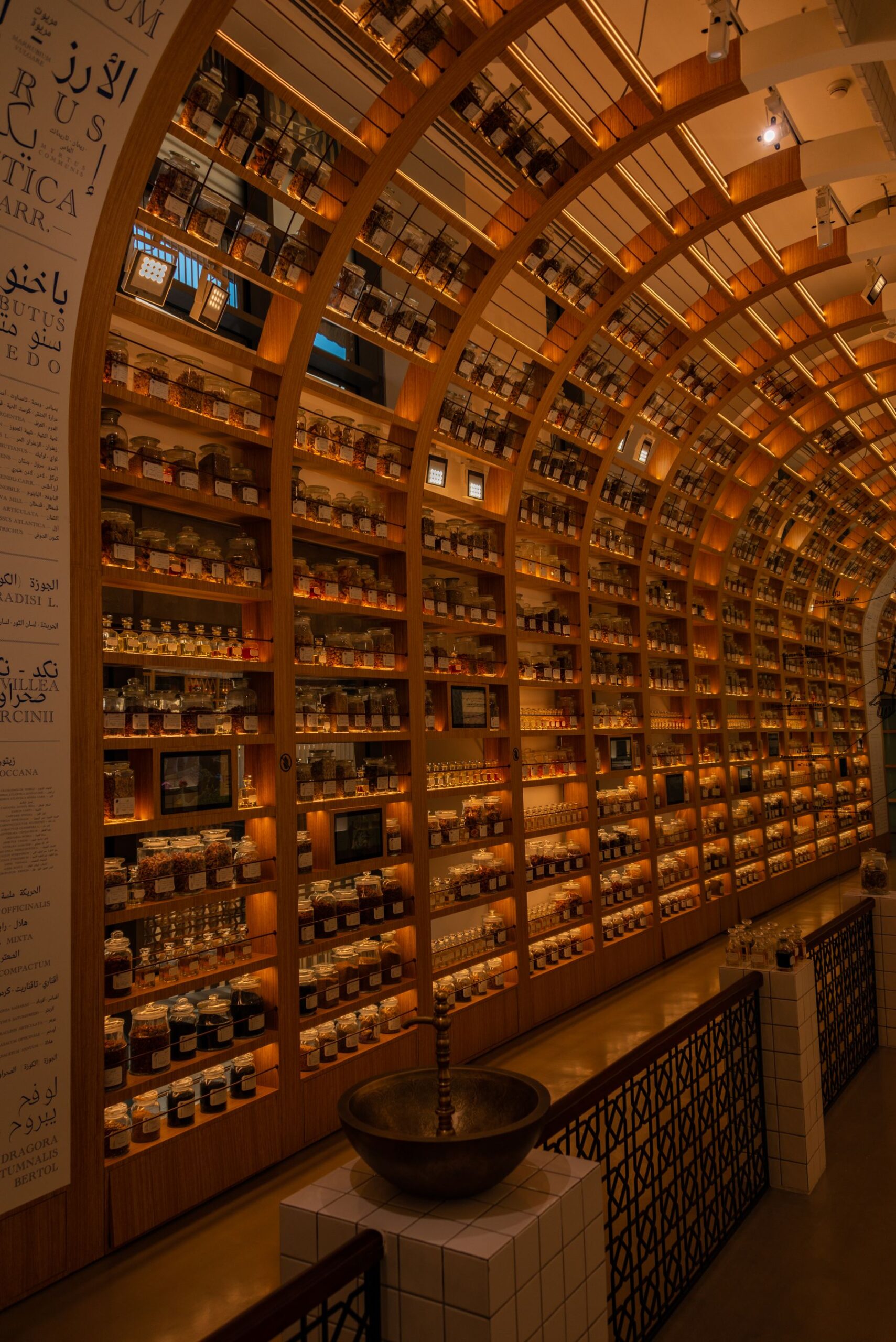
Repeated shelves expose inconsistency. Design sample, defect, color and label-position controls for the range, not one photograph.
Score technical control and commercial fit before releasing a pilot
Separate technical control from commercial fit. Technical fields include drawing quality, evidence matching, process explanation, change control, sample traceability, defect communication and pack validation. Commercial fields include useful MOQ, component sharing, cost transparency, development timing, capacity, reorder support and communication. A supplier can be attractive on price but weak on evidence, or technically strong but unsuitable for the launch volume. Weight the score according to the buyer’s product risk and channel rather than averaging every field equally.
Release a limited pilot only after critical evidence and fit questions are closed. The pilot purchase order should name approved vessel, decoration, lid, formula, wick, fill, artwork, unit pack, carton, quantities by SKU, inspection, document deliverables, change approval and shipment term. Define what the pilot is intended to learn: production color repeatability, filling control, label application, carton performance, assembly rate or receiving accuracy. The action output is a signed pilot-release sheet plus open-issue register with owner and due date. Stop if an unresolved item could alter safety, legal information, fit or the actual product identity. For brand-led programs, connect the pilot to the buyer scenario described in the fragrance brand solution rather than treating jars and branded presentation as separate projects.
Freeze the reorder baseline and require approval for every affected change
The pilot is complete only when the received order is reconciled with the approved record. Confirm the vessel lot and drawing, material, finish, lid, formula, wick, fill, artwork, codes, pack, carton count, inspection result and shipment documents. Retain representative product and packaging samples under the buyer’s retention policy. Record any approved concession separately so it does not silently become the new standard. The reorder file starts from the accepted pilot, not from an old quotation or supplier memory.
For every repeat order, ask the supplier to confirm manufacturing site, mold or tool, material route, secondary processor, coating or print system, lid source, formula and wick revision, packaging construction and applicable evidence status. A proposed change is assessed against the matrix from Figure 8 and the release gates in Figure 13. The action output is a reorder comparison showing “unchanged,” “changed and approved,” or “blocked” for each field. This discipline supports a more reliable factory and export handover. It also makes supplier performance measurable across lots. Buyers ready to turn the file into a quotation can submit the controlled brief through LANBORUI contact sales instead of sending disconnected screenshots.

Figure 15 closes the question: buy from the route that can reproduce the approved system, evidence and pack.
Eighteen-point candle jar purchase-release checklist
- Name the supplier route and owner for vessel, finished candle and market release.
- Issue one connected brief with destination, channel, quantity and required date.
- Approve a controlled vessel drawing with manufacturing tolerances.
- Record clear opening, internal profile, fill line and straight label panel.
- Separate supplier model, nominal capacity and final net contents.
- Freeze material, color, coating, print, lid and unit-protection route.
- Count vessel, fragrance, wick, lid, artwork and pack versions.
- Identify the binding MOQ for every custom process and component.
- Normalize quotation inclusions and one-time costs.
- Calculate final carton cube, gross weight and component surplus.
- Match vessel evidence to the supplied SKU, site and process.
- Approve the exact wax, fragrance, wick, fill and burn-test revision.
- Allocate identity, net contents, safety, operator and traceability fields.
- Remove claims that lack product-specific, market-relevant support.
- Validate final label adhesion, lid fit and decorated appearance.
- Validate the final unit and master carton for the intended route.
- Release defect definitions, sampling, evidence and deviation authority.
- Sign the pilot baseline and require approval for every affected reorder change.
Practical next step
Prepare a one-page brief with the target candle role, reference image, measured jar range, destination market, quantity by fragrance, expected net fill, lid, label, unit box and delivery route. Add the unresolved decisions instead of hiding them. LANBORUI can then organize the scented-candle product direction, vessel options, private-label presentation, sample questions and export-packing information around one controlled purchasing file.