

A decorative bowl can hold woven balls, faux fruit, dried flowers, seasonal ornaments or everyday essentials. The most useful choice depends on the bowl’s proportions, its surface, and the job it needs to do.
A coffee table arrangement should leave room for daily use. A retail display must show the bowl clearly, while a hotel arrangement needs to be easy to maintain. Choosing contents around those demands makes the result more convincing and easier to keep looking good.
10 Decorative Bowl Filler Ideas
These options cover decorative displays and practical storage, with different effects on color, texture, and upkeep.
Decorative Balls
Woven rattan balls bring texture; smooth ceramic spheres create a more polished effect. Start with one material or a limited palette so the arrangement remains easy to read. Larger spheres can form a loose grouping with visible gaps, while small balls create a denser, more continuous surface.

Faux Fruit
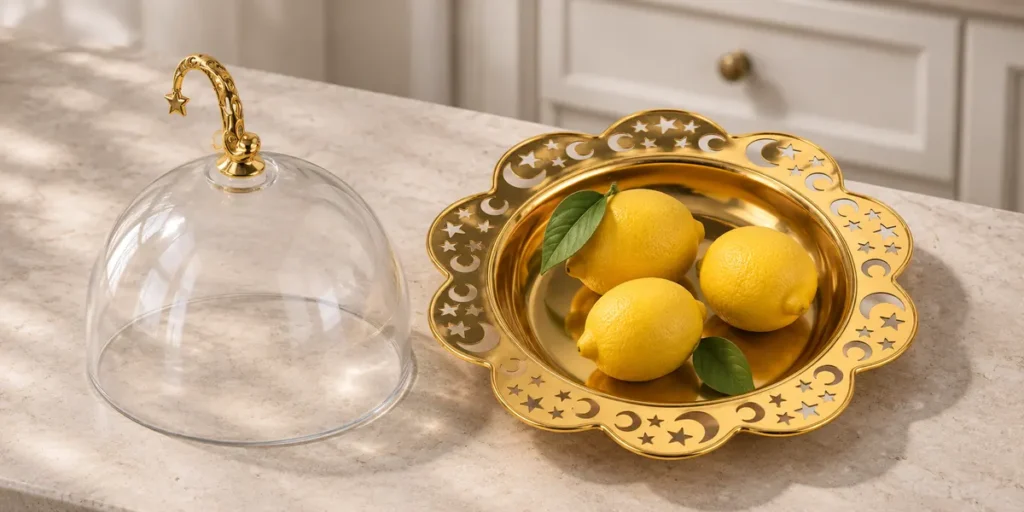
Faux lemons, pears or figs add recognizable shapes and color without requiring fresh fruit replacement. A single fruit type creates a coherent display; mixed varieties need a shared color relationship to avoid looking random. Open decorative fruit bowls allow taller arrangements, while covered designs need enough clearance beneath the lid. Keep individual pieces visible so their shapes remain distinct.
Pinecones and Seed Pods
Pinecones and seed pods suit arrangements built around natural texture. Their irregular surfaces work especially well against a plain bowl, where the contrast remains visible. Use clean, dry pieces and inspect collected materials for insects before bringing them indoors. Mixing a few sizes adds variation without introducing another decorative theme.

Dried Flowers and Botanicals
Dried petals, lavender sprigs and short foliage stems soften a rigid bowl’s outline. Loose petals suit a shallow vessel; stems can rest across the opening without being crushed into a heap. Fragrant materials also affect the surrounding space, so unscented botanicals are a practical starting choice beside food or in shared guest areas.

Seashells and Sea Glass
Shells and sea glass create a coastal display through shape and color. Pale shells offer a quiet palette, while colored glass adds stronger accents. Keep distinctive pieces visible rather than burying them beneath smaller fragments. A smooth protective liner can separate rough edges from a delicate bowl surface.

Wooden Beads
A wooden bead strand follows the bowl’s curve and can drape slightly over its rim. This continuous line gives it a different effect from loose decorative balls. Repeating a nearby wood tone helps connect modern and traditional decor, especially when a carved or ornate bowl sits among simpler furnishings. Leave decorative handles unobstructed.

Seasonal Ornaments
Painted eggs, miniature pumpkins or small bells change the display’s seasonal character while keeping the same bowl. Choose a recognizable theme and repeat its colors nearby. For Christmas centerpiece arrangements, coordinating the bowl’s contents with the wider table scheme helps the display feel intentional. Store removable ornaments together for the next season.

Small Collectibles
Vintage game pieces, travel tokens or miniature keepsakes turn a bowl into a personal display. A shared subject gives an otherwise varied group a clear connection. Arrange pieces so their distinguishing features remain visible, and rotate the selection when the bowl becomes crowded. Valuable or fragile objects may need individual supports.

Keys and Everyday Essentials
A bowl near the entrance gives keys, coins, and sunglasses a consistent landing place. A broad opening makes retrieval easier, while a removable soft liner reduces contact between hard objects and the bowl. Limit the contents to regularly used items; old receipts and unrelated clutter quickly consume the usable space.

Jewelry and Personal Accessories
A small, smooth bowl can hold a watch, rings or hair accessories during a daily routine. Separate pieces that can scratch or tangle, and avoid piling delicate chains together. Covered jewelry storage boxes provide another option when items need enclosed storage or a more structured interior layout.

How to Choose Fillers for Your Decorative Bowl
Start with fillers that fit inside the usable opening and leave the bowl’s distinctive details visible. Then adapt the selection to the demands of its display location.
Match Fillers to the Bowl’s Size and Depth
Compare the usable opening and interior depth with the objects you plan to display. Wide rims, handles and thick walls can make a bowl’s external dimensions misleading.
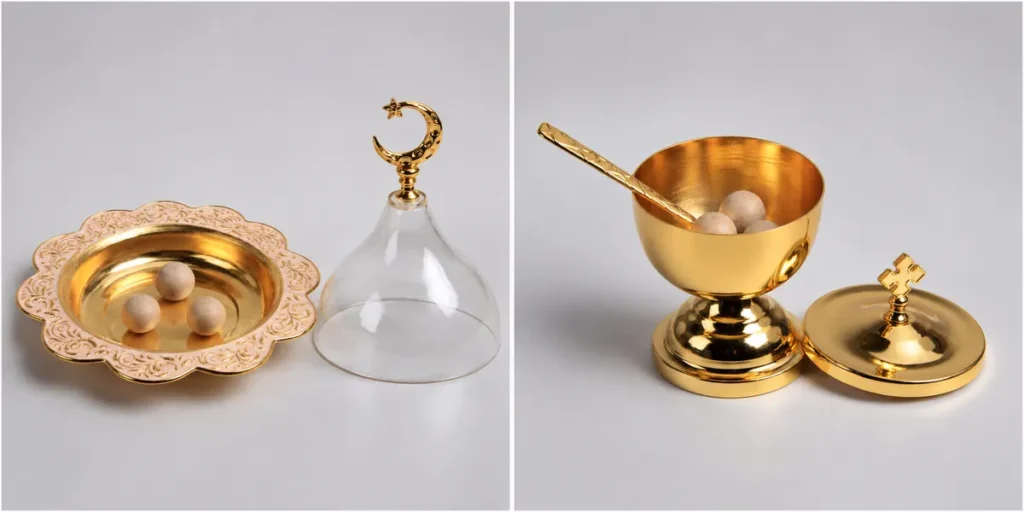
Shallow bowls suit objects that should remain largely visible. Deeper bowls can hold layered arrangements, but small fillers may disappear below the rim. A removable support beneath the display can lift them into view. Keep that support concealed from normal viewing angles, particularly in transparent bowls.
Consider the Bowl’s Material and Finish
Clear glass exposes the whole arrangement, including its bottom layer. Opaque vessels allow more freedom to conceal supports. An ornate metal bowl already contributes pattern, so a restrained filler selection leaves its decoration visible.
The contact surfaces matter too. Rough shells, grit, and metal objects can mark delicate finishes as they move. A clean, removable liner helps separate them. For daily storage, a smooth interior makes handling simpler and reduces places where jewelry or keys can catch.
Match Fillers to the Display Setting
Choose contents around the space’s main activity. Dining arrangements need clear sightlines, retail displays need visible product details, and guest areas benefit from contents that staff can reset easily.
| Location | Filler Ideas | Styling Considerations |
| Coffee table | Wooden beads, decorative balls | Keep the arrangement low and leave usable tabletop space |
| Dining table | Faux fruit, unscented botanicals | Preserve views across the table and room for serving |
| Entryway console | Keys, sunglasses, coins | Use an accessible opening and protective liner |
| Bedside table | Watch, rings, hair accessories | Separate delicate pieces and keep them within easy reach |
| Retail display | Coordinated spheres, seasonal ornaments | Keep bowl details and price labels visible |
| Hotel reception | Substantial decorative balls, faux fruit | Favor pieces that are easy to dust and return to position |
For commercial displays, distinguish styling props from the contents supplied with the bowl. An attractive photograph can otherwise create the wrong expectation about what a customer receives.
How to Arrange Decorative Bowl Fillers
Place the largest objects first, giving the arrangement a clear structure. Add smaller pieces only where they strengthen the grouping. Repeating a color or texture ties the contents together, while some variation in size prevents a flat, uniform appearance.
Keep the rim and any distinctive interior detail visible. Check the arrangement from the height at which people will actually see it, including seated positions beside a coffee table. Remove anything that obstructs access or feels crowded. For repeated retail or hotel installations, photograph the finished arrangement and record its contents so staff can recreate it.

For a retail or hospitality assortment, discuss your bowl collection with LANBORUI, including reference images, intended setting, quantities, and finish preferences.
FAQs About Decorative Bowl Fillers
Can You Leave a Decorative Bowl Empty?
Yes. A bowl with a sculptural outline, patterned interior or distinctive surface can serve as the display itself. Leaving it empty keeps those features visible and can provide breathing room among nearby objects. Position it where its shape reads clearly, with enough surrounding space to avoid looking like an unused serving dish.
Can You Put Real Fruit in a Decorative Bowl?
Yes, if the specific bowl is suitable for direct food contact under the intended conditions. A decorative appearance or fruit-bowl shape does not establish that suitability. Some ceramic glazes and decorations can release lead into food, and items marked “Not for Food Use” should never hold edible fruit. For a suitable serving bowl, check fruit regularly and remove damaged pieces before residue collects.
How Do You Clean Decorative Bowl Fillers?
Remove the fillers and clean them separately from the bowl. Begin with a soft, dry brush for stable woven pieces or unfinished wooden beads; water can swell bare wood fibers and raise the grain. Support fragile dried materials during dusting and avoid soaking them. Wash glass or ceramic pieces only when their care instructions permit it, especially if they have paint, glued details or surface coatings. Let cleaned pieces dry fully before replacing them.